Updated in June of 2026
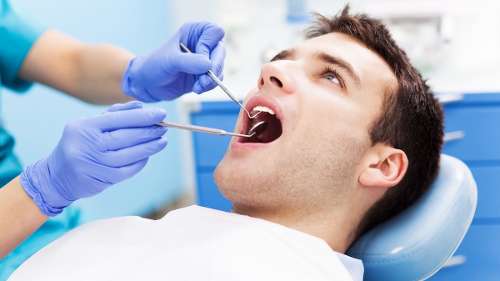
You settle into the dentist’s chair, lean back, and open wide. Your dentist starts examining your teeth with that small mirror. But what are they actually looking for? Most patients assume that their dentist is only searching for cavities, which is an important part of dental exams. Your dentist is actually gathering much more information than that.
An exam doesn’t have to be something you dread. It can be an experience that you appreciate once you know what’s happening. Each exam reveals a story about your health, including warning signs that haven’t caused you any trouble yet. This story is important to understand, as your overall health is closely linked to your dental health.
What Does a Dentist Check During a Dental Exam?
During a complete exam, we evaluate six key areas:
- Tooth decay, from early soft spots to more advanced cavities
- Your gums, including signs of inflammation or gum disease
- Your bite and jaw alignment, including signs of grinding or clenching
- Soft tissues, including your tongue, cheeks, lips, and the roof of your mouth
- Existing dental work, such as old fillings or crowns showing signs of wear
- Bone levels, using X-rays to see what's happening beneath the surface
Missing even one of these areas can mean a small problem grows into a much bigger one.
Dental Detective Work: The Cavity Search
Tooth decay is the most common chronic disease affecting Americans across all age groups. According to the National Institute of Dental and Craniofacial Research, nearly 90% of adults aged 20-64 have experienced tooth decay. That number is even higher (96%) among adults aged 65 and older. Even young children are more likely than not to develop cavities. Fifty-two percent of kids between the ages of 6 and 8 already have cavities in their baby teeth.
This is why your dentist places so much importance on regular dental care. When your dentist catches decay early, the easier it is to fix. A small area of decay that your dentist catches early might only require that you get a small filling. If left undetected for another year, the same spot may require more extensive treatment, such as a crown or root canal.
To conduct a thorough examination of your tooth health, your dentist uses both visual examination and tactile feedback from their instruments. That thin metal tool you feel moving across your teeth helps your dentist detect soft spots in the enamel that eyes alone might miss. X-rays reveal to your dentist what eyes and instruments may miss, decay that’s hiding between teeth or in other hard-to-see places. These regular examinations are essential; however, more than 65% of adults have not had a dental exam or cleaning in the past year.
Gums Tell a Bigger Story
While examining your teeth, your dentist pays close attention to the tissue surrounding them. If your gums are healthy, they’ll appear pink, firm, and fit snugly against each tooth. Red, puffy, or bleeding gums signal inflammation, which often indicates gingivitis or more advanced periodontal disease.
Nearly 43% of adults over 30 have some form of periodontal disease. Gum disease affects many aspects of your health, along with your teeth. A growing body of research ties it to systemic health issues such as heart disease, diabetes complications, lung problems, and dementia.
To assess your gum health, your dentist measures the depth of gum pockets around each tooth using a periodontal probe. If you have gum disease, your gum tissue erodes, causing gaps known as pockets around your teeth. When your gums are healthy, gum pockets measure 1 to 3 millimeters. Deeper pockets often indicate bone loss and warrant closer attention or treatment.
Reading the Signs is Key
Your teeth act as records of your habits in subtle ways. If your dentist observes flattened chewing surfaces, you are likely grinding your teeth, which often occurs while you sleep. This is something that most people are not even aware of! Chips along the gum line may indicate an aggressive brushing technique or acid erosion. Worn edges on the front teeth may indicate nail-biting or other repetitive habits. These are all signs that your dentist is looking for during an exam.
Dr. Blake Nelson and the team at our Winston-Salem practice take time to understand these patterns. By identifying these often subtle signs and figuring out the underlying causes, they can implement solutions. For example, your dentist might recommend:
- A custom night guard to protect your teeth from grinding damage
- That you change your brushing style to a more gentle approach
- Dietary changes to reduce acid exposure
- Techniques to ease jaw tension
These minor fixes can help keep your smile healthy long-term. Your bite alignment is also an essential factor in your oral health and requires careful attention from your dentist during an exam. When your teeth meet incorrectly, certain teeth absorb more force than they should. Over time, the extra force can wear down your teeth and cause damage. Your dentist checks how your upper and lower teeth come together, watching for problems that could cause trouble down the road.
Soft Tissue Examination is Critical
Alongside teeth and gums, every dental exam includes a thorough check of your mouth's soft tissues. Your dentist examines your tongue, cheeks, lips, the floor of your mouth, and throat, looking for any unusual changes. This also includes early signs of oral cancer, which will affect nearly 60,000 Americans in 2025.
Some dental offices use a specialized fluorescence light during oral cancer screenings. Your dentist shines this special light into your mouth, which spotlights abnormal cells.
When your dentist spots abnormal cells early, treatment success rates are much higher. Your dentist knows exactly what healthy tissue looks like and can spot suspicious patches, lumps, or color changes that warrant further investigation.
Checking Previous Dental Work
Dental work such as fillings, crowns, bridges, and implants all require monitoring. No dental restoration lasts forever. For example:
- Fillings can develop cracks or pull away from the tooth structure
- Crown margins may show gaps where bacteria accumulate
- The supporting teeth around bridges may show wear or decay
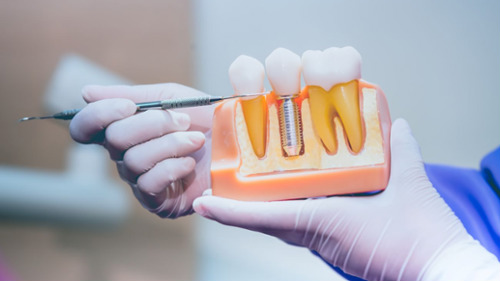
- Implants require assessment of the surrounding bone and tissue health
Catching a failing restoration before it creates bigger problems saves you time, money, and discomfort. Your dentist notes the condition of all existing dental work and tracks changes over time. A crown exhibiting early signs of wear today may require a scheduled replacement in a few months rather than an emergency visit in a year.
What Happens If Dr. Nelson Finds Something?
Finding something during an exam is not a reason to worry. Most of the time, catching a problem early means the fix is simpler and more affordable than if we had waited.
After we examine your teeth, we'll walk you through everything we found in plain language. We'll explain your options clearly and never pressure you into anything. Our goal is to give you the information you need to make the best decision for your own health.
If dental anxiety has kept you away from regular exams, you're not alone. Dr. Nelson offers sedation dentistry for patients who feel nervous or have had difficult experiences in the past. Many of our patients tell us they had no memory of the visit at all.
Schedule Your Comprehensive Exam Today
At Blake Nelson, DDS, we never judge patients for time away from the dentist. What matters most is that you're here now. Whether your last visit was six months ago or several years ago, we're glad you're taking this step.
Call us at (336) 760-1277 or schedule an appointment online. We look forward to welcoming you.